
Why Tampa Is a Premier Fishing Destination

Tampa Bay is a special place—one of the largest and most productive estuarine systems in the southeastern United States. Spanning more than 400 square miles of open water, Tampa Bay offers anglers an incredible expanse of opportunity, variety, and year-round fishing potential. What makes this system truly unique is how it’s constantly fed and refreshed by four major rivers: the Hillsborough River, Alafia River, Manatee River, and Little Manatee River. Together, they create a dynamic blend of freshwater and saltwater that fuels one of the most diverse fisheries in the region.
One of the most remarkable things about Tampa Bay is how many ways there are to fish it. Whether you prefer beach fishing along the Gulf, wading shallow grass flats, fishing from a pier or bridge, or running a boat across the bay, you’re never far from world-class fish. On any given cast, there’s real potential to hook into snook, redfish, trout, tarpon, snapper, or drum—sometimes all in the same day.
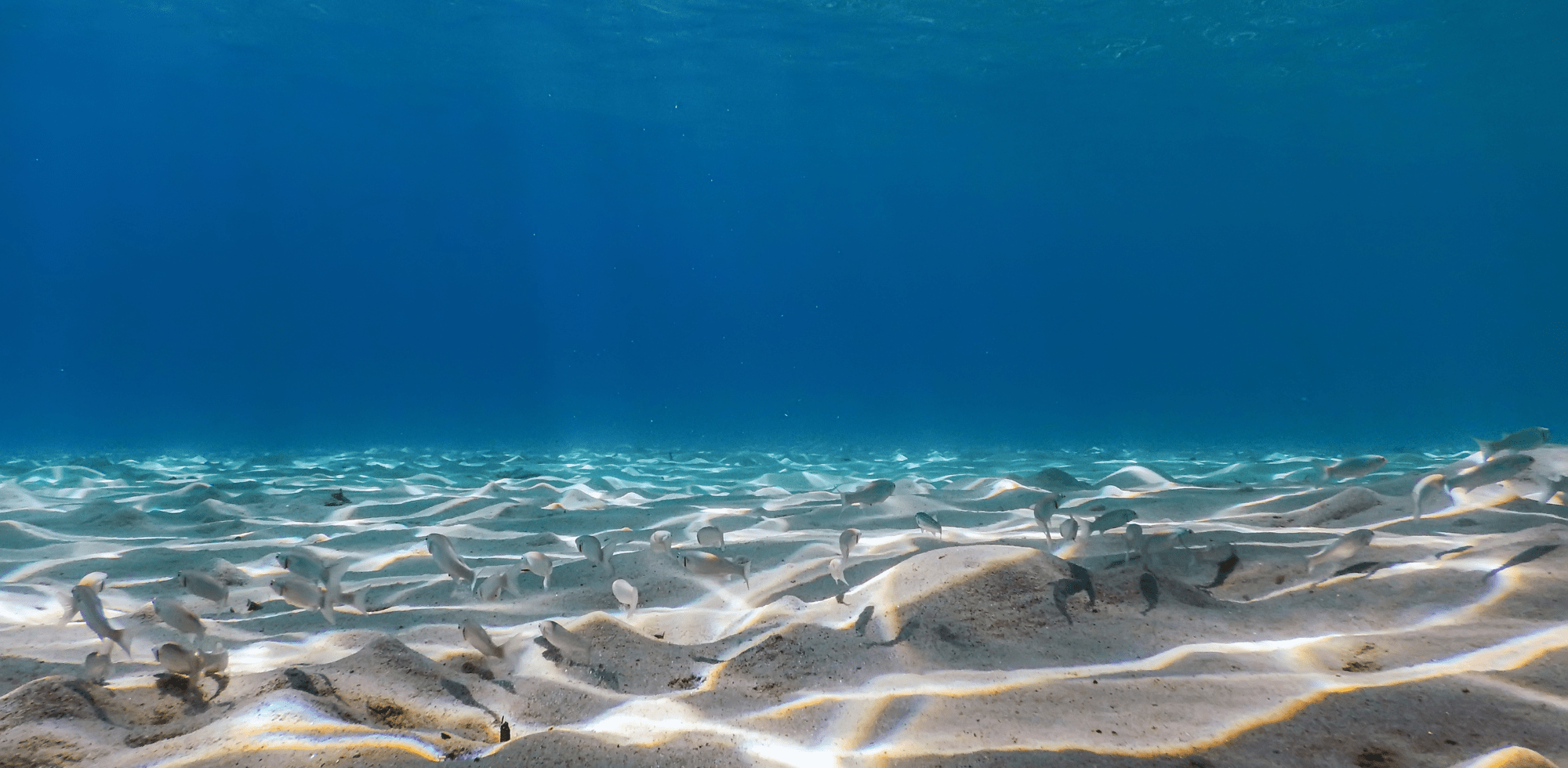
Tampa Bay’s habitat diversity is what truly sets it apart. Vast seagrass meadows act as a critical nursery for baitfish and juvenile gamefish, forming the foundation of the entire food chain. These grass flats transition into shallow sand bars, mangrove shorelines, and deep shipping channels, giving fish endless options for feeding, staging, and protection. Add in the constantly shifting tides and the brackish mix of river water and saltwater, and you have an ecosystem that stays alive and productive year-round.
When all of these elements come together—size, habitat diversity, tidal flow, and freshwater input—Tampa Bay becomes more than just a place to fish. It becomes a true fishing powerhouse, capable of producing unforgettable days on the water for anglers of every skill level.
Top Fish Species in Tampa Bay
As mentioned above Tampa Bay has a variety of fish, both saltwater and freshwater. Some of our most sought after species include:
Snook (iconic Tampa fish)
Snook are arguably our most prized inshore game fish, known for their aggressive nature and explosive strikes. They readily chase both live bait and artificial lures, and once hooked, they put on an unforgettable show—head shakes, powerful runs, and dramatic aerial displays that keep anglers on edge. With the stamina of a redfish and a relentless, tenacious attitude, snook fight hard from start to finish and rarely give up easily.
One of the things that makes snook so special is its versatility. You can sight-fish them on shallow flats, stalking laid-up fish in clear water. During the summer months, they line the beaches and passes, ambushing bait in the surf. At other times of the year, they tuck tight to deep structure, where large live baits and precise presentations are often the key to success. No matter how you choose to target them, snook demand skill, patience, and attention to detail.
In Tampa Bay, snook can range from juvenile fish around ten inches to true giants pushing forty inches or more. Whether you’re catching your first small snook or battling a trophy-sized fish, every encounter carries the same excitement—because you never quite know how the fight will unfold.
Redfish
Redfish are one of my absolute favorite fish to target in Tampa Bay. They’re not only strikingly beautiful, but they also fight with a true bulldog mentality. Redfish don’t jump much, but their raw power and steady, unrelenting runs are more than enough to turn heads and test your gear. There’s something about the way the sunlight catches that electric blue tail, crowned with a single, unmistakable black spot, that gets me fired up every single time.
Like snook, redfish can be effectively targeted using both live bait and artificial lures, which makes them accessible to anglers of all skill levels. One key difference, though, is how dialed in redfish are to scent. Because of that, soft plastics like Gulp are incredibly effective, especially when the bite is tough. In the heat of summer, however, it’s hard to beat a fresh-cut threadfin, which can draw aggressive strikes even from pressured fish.
Redfish are present in Tampa Bay year-round, but the best times to consistently target them are spring, early summer, and the beginning of fall, when water temperatures and bait concentrations line up perfectly. You can pursue redfish with a wide range of gear—fly rods, spinning setups, or baitcasters—each offering its own unique challenge and reward.
Most Tampa Bay redfish average between 15 and 36 inches, but during the fall months, the large breeder fish move through the bay, offering anglers a rare chance at truly unforgettable catches. Checkout this video for great red fishing in Tampa Bay:
Spotted seatrout
Speckled seatrout are often the bread and butter for a charter captain, and for good reason. Find a pristine flat with healthy seagrass, clean water, and an abundance of potholes, and chances are you’ll find speckled trout close by. These fish thrive in grass flats where they can ambush bait, and when conditions are right, the action can be fast and consistent.
One of the reasons I love targeting speckled trout is how family-friendly they are. They’re a perfect species for anglers of all ages, especially kids. Trout are typically found out in more open water, so heavy structure and tight break-offs aren’t much of a concern, which makes things simpler and less intimidating for newer anglers. Bites are usually aggressive and obvious—always a confidence booster.
I also enjoy downsizing my gear when trout fishing. Light tackle makes every fish feel bigger and more exciting. A 2000-size reel paired with a seven-foot medium-light rod is about perfect, keeping things balanced and fun without overpowering the fish. Early morning topwater bites are especially epic. Speckled trout are incredibly aggressive and will often follow a lure all the way to the boat before finally exploding on it.
Personally, I like targeting larger trout in shallow water during the winter months, when big females slide up to warm flats. Spring and early summer, however, offer steady action that keeps rods bent and smiles wide. If you’re hunting a true trophy trout, January and February are hard months to beat.
Tarpon (seasonal)

Tarpon are the ultimate game fish, capable of testing the spirit, patience, and endurance of any angler. I truly believe everyone should experience catching at least one tarpon in their lifetime. They may have no food value, but the moment one eats your bait, it feels like your line has been tied to a freight train. Explosive runs, violent head shakes, and jaw-dropping aerial displays are all part of the experience, and no two fights ever feel the same.
Tampa Bay is fortunate to host both resident tarpon that stay year-round and massive migratory fish that arrive during peak season. The prime window runs from May through August, when large schools push into the bay to spawn and take advantage of the abundance of bait. During this time, huge threadfin herring and pass crabs flush through the system, creating a feeding frenzy that draws tarpon into predictable travel lanes, passes, and staging areas.
To have a real chance at success, heavy spinning gear is a must. An 8000-size reel, such as an Okuma, paired with a stout 7- to 8-foot rod provides the backbone needed to control these powerful fish. Leaders should be upgraded to 50–80 lb test, along with 5/0 to 7/0 hooks that won’t bend or straighten under pressure.
When battling tarpon, the key is to fight them efficiently and respectfully. Prolonged fights exhaust fish and dramatically reduce their chances of survival after release. Adding another challenge, sharks are always lurking nearby and absolutely love tarpon, so staying tight and getting the fish in quickly can make all the difference.
Sheepshead
Sheepshead—often called “convicts”—can be some of the most frustrating fish to target and actually land. If you’ve never seen one up close, they have almost human-like teeth, perfectly designed for crushing shells and surgically removing crustaceans like shrimp and crabs from your hook without you ever feeling a bite. That sneaky feeding behavior is exactly how they earned the nickname “convict”—they steal your bait and leave you wondering what just happened.
In Tampa Bay, the prime time to target sheepshead is January through February, when they stack up around bridges, docks, pilings, reefs, and hard structure to spawn. This is when anglers willing to slow down and focus can put together some incredible days.
Light tackle is the name of the game. These fish can be extremely line-shy, so lighter leader often results in more bites. I prefer a 2500–3000 size Okuma reel paired with a 7-foot medium-fast Okuma SRT rod. Rod sensitivity is absolutely critical—most sheepshead bites feel like nothing more than added weight or the faintest tap. If you can’t feel that subtle change, you’re already too late.
Bait selection is just as important as gear. Mud crabs or mangrove crabs are hands down the best offerings, but they require effort—digging, flipping rocks, and hunting them down. Fiddler crabs are a close second and incredibly effective, though not cheap. Shrimp will work, but typically not with the same consistency.
Despite the challenge, sheepshead are excellent table fare and fight surprisingly hard for their size. When everything comes together, they’re one of the most rewarding fish to catch in the winter. Checkout this article to learn more about how to catch sheepshead. Here is also a great video for you visual learners:
Mangrove snapper
Mangrove snapper—also known as gray snapper—are one of my all-time favorite fish to target. They can be frustratingly difficult to catch at times, but they pull hard, fight dirty around structure, and taste even better on the table. Many anglers consider snapper to be “smart,” especially if you’ve ever watched them feed underwater. They’ll swim up to a bait, inspect it closely, and often turn away at the last second. Personally, I don’t think they’re smart in the traditional sense—I think they simply have excellent eyesight and a healthy level of caution.
Because of that, presentation is everything. You really have to downsize your tackle and get the fish fired up enough to make a mistake. Chumming is one of the most productive ways to do this. A steady chum line pulls fish out of hiding, gets them competing with one another, and lowers their guard. Once that happens, carefully hiding the hook and making your bait look natural will usually give you the outcome you’re after.
In Tampa Bay, my favorite months to target mangrove snapper are July and August, when they’re aggressive and plentiful, but they can be found inside the bay year-round around docks, bridges, mangroves, and deeper structure. For gear, I prefer a medium setup, typically a 4000-size Okuma reel like the Cedros paired with a medium-heavy Okuma SRT rod. Twenty-pound fluorocarbon is the sweet spot—go any heavier and you can usually kiss consistent bites goodbye. When everything comes together, mangrove snapper fishing is as rewarding as it gets.

Spanish mackerel
Spanish mackerel are not only beautiful and incredibly fast, they’re also excellent table fare, rich in healthy omega oils. My love for mackerel started when I was just 13 years old. I still remember early morning trips to the Sunshine Skyway Pier, standing there as the sun began to break the horizon. As the light came up, Spanish mackerel would launch feet into the air, slashing through schools of threadfins and whitebait. Watching that chaos unfold left a lasting impression on me—and it’s something I still chase to this day.
Spanish mackerel fight hard for their size, making blistering runs and head shakes that keep light-tackle anglers smiling. They’re abundant, aggressive, and provide fast-paced action, which makes them a perfect game fish for families and newer anglers. On top of that, they’re incredibly versatile in the kitchen and make one of the best smoked fish dips you’ll ever have when handled and prepared correctly.
The absolute best time to target Spanish mackerel is spring, as water temperatures climb back to the magic 72-degree mark. From spring through fall, mackerel can be caught in large numbers around beaches, passes, and open bay waters. As pelagic fish, they prefer open water and actively hunt glass minnows, greenbacks, threadfins, and shrimp, often pushing bait to the surface in explosive fashion.
When handling Spanish mackerel, caution is essential. Their razor-sharp teeth can inflict serious cuts in an instant, so proper grips and tools are a must. Respect the fish, and they’ll reward you with unforgettable action and incredible meals.
Final Thoughts
The species listed above are honestly just a small snapshot of what Tampa Bay has to offer. The full list is extensive, and the diversity of our fishery—both inshore and offshore—is truly phenomenal. From shallow grass flats and mangrove shorelines to nearshore reefs and offshore ledges, Tampa Bay provides year-round opportunities for anglers of every skill level. On any given day, you can target multiple species, adapt to changing conditions, and experience a style of fishing that’s as dynamic as it is rewarding.
If you’re looking to truly experience Tampa Bay fishing the right way, I highly recommend reaching out to Salty Scales Charters and booking a trip with Capt. Taylor. He is professional, fully licensed, and deeply knowledgeable of these waters. Whether you’re a beginner or a seasoned angler, he’ll put you on fish, share valuable local insight, and help you experience Tampa Bay like never before.