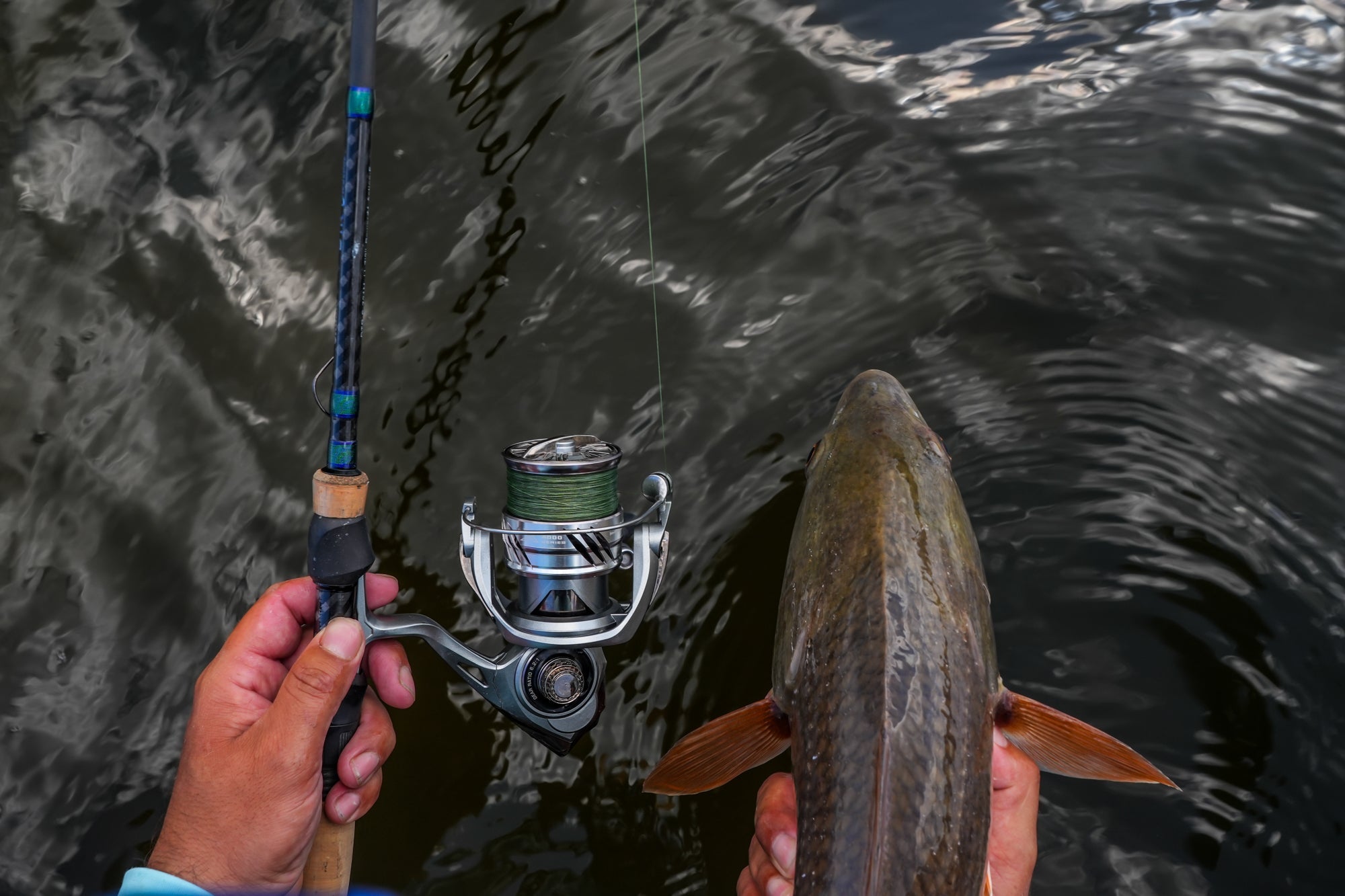


What do you wear on the water throughout the year?
It’s a simple question, but one that many boaters, anglers, and even seasoned captains rarely stop to consider in any meaningful way. Do you dress differently in the winter than you do in the peak of summer? Do you rely on thermals and layers when it’s cold, then switch to lighter clothing when the temperatures rise? Or have you, like many people, simply defaulted to what feels comfortable without ever really thinking about why you wear what you wear?
The truth is, what you choose to wear on the water matters far more than most people realize and not just for comfort. Clothing plays a critical role in protecting your body from the elements, regulating temperature, preventing fatigue, and, perhaps most importantly, shielding your skin from harmful ultraviolet (UV) radiation year-round.
Many people associate sun exposure with blistering heat and cloudless summer skies, but UV rays don’t disappear when temperatures drop. They are present on cold winter days, on overcast afternoons, and during those deceptively comfortable mornings when the breeze makes the sun feel harmless. Whether you’re a full-time captain running trips several days a week or a weekend boater heading out a few times a month, the gear you wear on the water has long-term consequences.
Comfort Used to Be the Only Rule
I was taught at a young age that when you’re fishing or spending time on a boat, the only thing that really matters is comfort. Thirty years ago, the mindset was simple: wear whatever keeps you from complaining. Sun protection, skin damage, and long-term health risks weren’t part of the conversation. Back then, if you said you were cold or uncomfortable, the response was straightforward, stop complaining, or we’ll pack it up and go home.
Like most kids, I didn’t want to leave. So I learned quickly to deal with it.
That mindset followed many of us well into adulthood. We grew up fishing, boating, and working on the water wearing cotton T-shirts, hoodies that soaked up moisture, and whatever layers we had on hand during cold months. We weren’t thinking about UV exposure or fabric performance, we were just trying to enjoy the day, land fish, and avoid being the reason the trip ended early.
It wasn’t until I got older and started fishing consistently year-round that I began to understand how much clothing actually affects your experience on the water.
Fishing Through the Seasons Teaches You Fast
When you fish year-round, especially in regions where temperatures fluctuate dramatically, you learn very quickly that preparation matters. During the colder months, we’d often fish near the power plant, where warm water would attract fish. The air temperature could be hovering around 40 degrees, and despite being near warmer water, the wind would cut straight through you.
Layers were essential. We’d fish over the wall, rods set, waiting for that unmistakable moment when a shark would take off with the bait and the reel would start screaming. Those moments made the cold worth it, but only barely. We’d freeze our backsides off until the sun finally peaked out from behind the clouds.
As the day went on, you’d start peeling layers away one by one. A heavy jacket would come off first, then a sweatshirt, then maybe a thermal layer. What you were left with underneath suddenly mattered a lot more than you expected.
Back then, purpose-built fishing apparel simply wasn’t what it is today.
The Evolution of Performance Fishing Apparel
Sun-shield shirts weren’t a thing. Polyester existed, but it wasn’t widely used or trusted in fishing clothing. Most anglers wore cotton because that’s what they knew. Cotton felt familiar, breathable, and affordable. What we didn’t fully understand was how poorly cotton performs once it gets wet, how little UV protection it offers, and how ineffective it is at regulating body temperature.
Fast forward to today, and the options available to boaters and anglers have completely changed the game.
Modern performance fishing shirts are designed to do multiple jobs at once. Certain fabrics can be worn under a jacket or sweater in colder months as a form of insulation, helping trap body heat while still wicking moisture away from the skin. Then, in the summer, the very same shirt acts as a breathable, lightweight sun barrier that keeps harmful UV rays off your skin while allowing airflow.
Having gear that can serve both purposes, warmth when you need it, protection when you don’t, is a major advantage. It reduces the amount of clothing you need to carry, simplifies layering decisions, and allows you to stay comfortable across changing conditions.
For those of us who spend a lot of time on the water, that adaptability isn’t a luxury, it’s essential.

So What Should You Be Wearing on the Water?
This brings us back to the original question: what gear are you wearing out there?
If you’re a captain fishing four or more days a week, the stakes are even higher. Repeated exposure compounds over time. The difference between wearing a short-sleeve cotton shirt and a long-sleeve performance shirt might not feel significant on a single trip, but over the course of months and years, it absolutely is.
More and more professionals are transitioning toward long-sleeve performance shirts and hooded fishing apparel and for good reason.
If I’m being honest (and maybe a little biased), I’d recommend a performance hoodie as part of any serious boater’s wardrobe.
Why Performance Hoodies Make Sense
The hood does more than just protect your head. It shields one of the most vulnerable areas of the body when it comes to sun exposure: the neck.
According to the American Academy of Dermatology and the American Cancer Society, the neck is one of the most common locations for skin cancer. This makes sense when you think about how often it’s exposed, how rarely it’s adequately protected, and how difficult it can be to consistently apply and reapply sunscreen to that area.
For someone who spends long hours in the sun, especially on reflective surfaces like water, covering the neck isn’t just smart, it’s practical. A hood provides consistent protection without requiring constant attention, reapplication, or adjustments. It stays in place while you’re casting, running the boat, or working a fish.
Even for the occasional boater, a hood can make a significant difference. You don’t need to be on the water every day for UV exposure to add up. Weekend trips, family outings, and seasonal fishing excursions all contribute over time.
The Silent Risk of UV Exposure on the Water
One of the most dangerous misconceptions about sun exposure is that you’ll feel it when it’s causing damage. Often, you don’t. A breeze can keep you cool while UV rays continue to penetrate your skin. Overcast skies can block visible sunlight while allowing ultraviolet radiation to pass through almost uninterrupted.
Water amplifies the problem by reflecting sunlight upward, exposing areas of the body that might not receive as much direct sun on land like under the chin, the underside of the nose, and the sides of the neck.
This is why clothing matters so much. Sunscreen is important, but it’s not foolproof. It wears off, washes away with sweat or spray, and often isn’t reapplied as frequently as it should be. Clothing, on the other hand, provides continuous coverage as long as you’re wearing it.
Balancing Comfort, Performance, and Protection
Some people hesitate to wear long sleeves or hoodies in warm weather because they assume it will make them hotter. In reality, well-designed performance fabrics often do the opposite. They wick moisture away from the skin, promote airflow, and prevent the sun from directly heating your body.
Staying cooler isn’t just about temperature, it’s about reducing fatigue. When your body isn’t working overtime to regulate heat or deal with sunburn, you have more energy, better focus, and greater endurance throughout the day.
For captains and anglers alike, that can translate into better decision-making, improved safety, and a more enjoyable experience overall.
Getting Back to the Basics
So what does your everyday wear look like on the boat?
Are you still reaching for a short-sleeve cotton T-shirt because it’s familiar? Or have you started incorporating gear designed specifically for the conditions you face on the water?
These choices matter, not just for you, but for the people watching and learning from you. When experienced boaters take sun protection seriously, it sets an example. Someone seeing that might rethink their own habits before it’s too late.
If you’re reading this, consider sharing what you wear on the water. Your insight might help someone make a change that prevents a severe sunburn or something far worse down the road.
At its core, this conversation is about awareness. How important is it to you to protect yourself from the sun and the harmful UV rays we’re exposed to every time we step onto the water? The technology and apparel options are there. The knowledge is readily available. The only thing left is making intentional choices.
What you wear today can shape how your body feels and functions for years to come.